
The US Army is set to detonate several tons of lead azide, a highly sensitive explosive used in detonators and bomb-making, at the Iowa Army Ammunition Plant in Middletown, Iowa, this week. The operation is now scheduled for Wednesday, November 25, 2026, after the Army invoked emergency provisions to bypass a court order that had temporarily blocked it.
The US Court of Appeals for the Eighth Circuit halted the Army's environmental permit on Thursday after environmental groups sued to stop the detonation, citing concerns about air quality, soil contamination, and the health of nearby residents. Lead azide is toxic if inhaled or ingested, and its detonation can release lead particles into the surrounding environment. In a filing on Saturday, the Army told the court it would proceed without a permit under an emergency exception to federal environmental laws. Government lawyers argued that further delays would grow more dangerous as colder weather could destabilize the material and trigger an uncontrolled explosion, endangering workers and the public.
Environmental groups sharply criticized the Army's decision, saying it circumvents the court order and sidesteps public demands for safety and transparency. They have called for a review of the emergency permit approved earlier this month by the Environmental Protection Agency, questioning whether the expedited approval followed proper procedures.
The detonation was initially planned for Friday but was postponed to Monday after public concerns about potential health and environmental effects. The Army then announced it would take place on Wednesday to allow for optimal weather conditions and mitigation measures, including monitoring and containment efforts. The Army says it is working with interagency partners to safeguard personnel and surrounding communities.
The appeals court's stay remains in place, but the Army's emergency invocation allows it to move forward regardless. The dispute highlights broader tensions between military readiness, environmental protection, and public safety, and it raises questions about how far emergency exceptions can go in overriding judicial and regulatory oversight.
Related stories
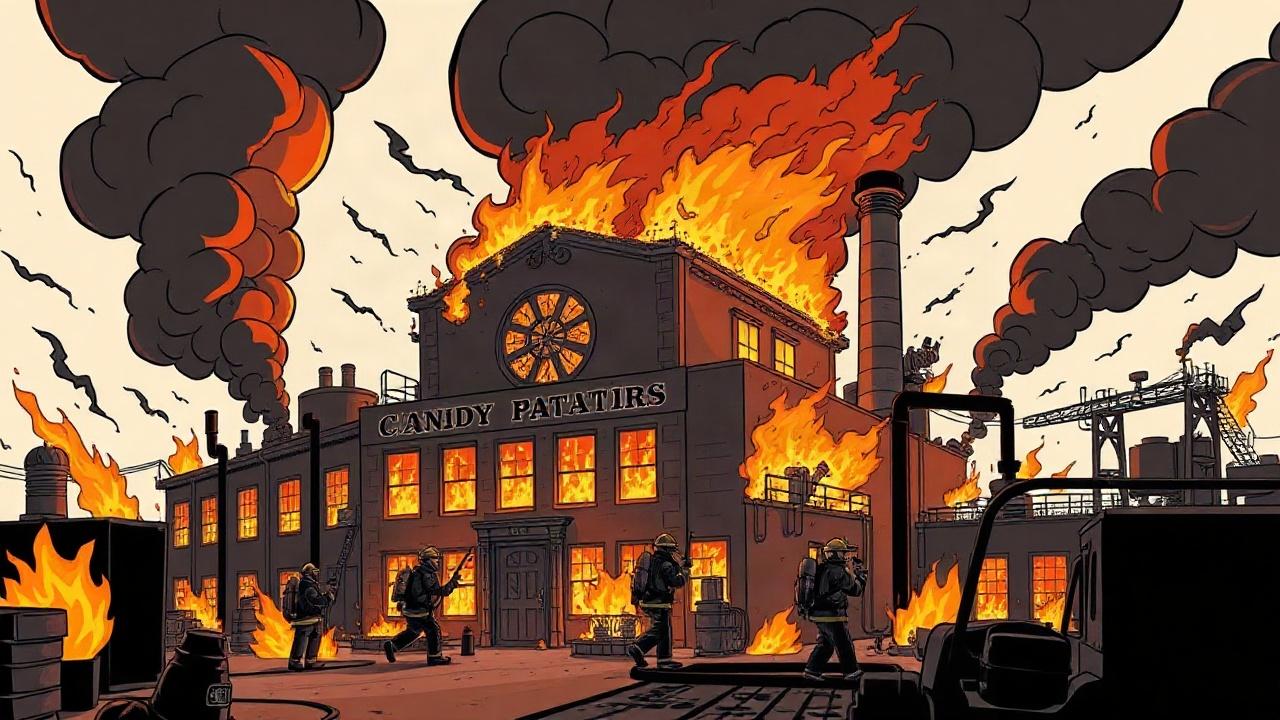
Indonesia Candy Factory Fire Kills Three, Dozens Missing
A fire at a confectionery factory near Jakarta has left at least three dead and dozens unaccounted for, with rescue efforts ongoing and identification of victims expected to take weeks.

Denmark Expels Russian Defense Attaché Over Alleged Assassination Plot
Danish authorities say they foiled a Russian intelligence plot to kill Ukrainian-American rapper Kyivstoner, leading to arrests and the expulsion of a Russian diplomat. Moscow denies involvement.

White House cyber director departs after nationwide tech outages
Sean Cairncross, the White House national cyber director, has left his position, a person close to the White House confirmed to Reuters on Thursday. The departure comes just days after a series of tec…